
Laboratory coater is a kind of equipment used for Spreader thin layer materials on various substrates, which is widely used in the research and development and testing of Coatings, gluing agents, films and other materials. Correct use of laboratory coater can not only improve the accuracy of Spreader mass and experimental data, but also prolong the service life of the equipment and ensure the safety of experimental personnel. Therefore, it is very necessary to understand and master the Precautions for use of laboratory coaters.
This article will introduce in detail the steps of using the laboratory coater, FAQ and its solutions, daily maintenance and maintenance, and safe operation practices, hoping to provide valuable reference for laboratory staff.
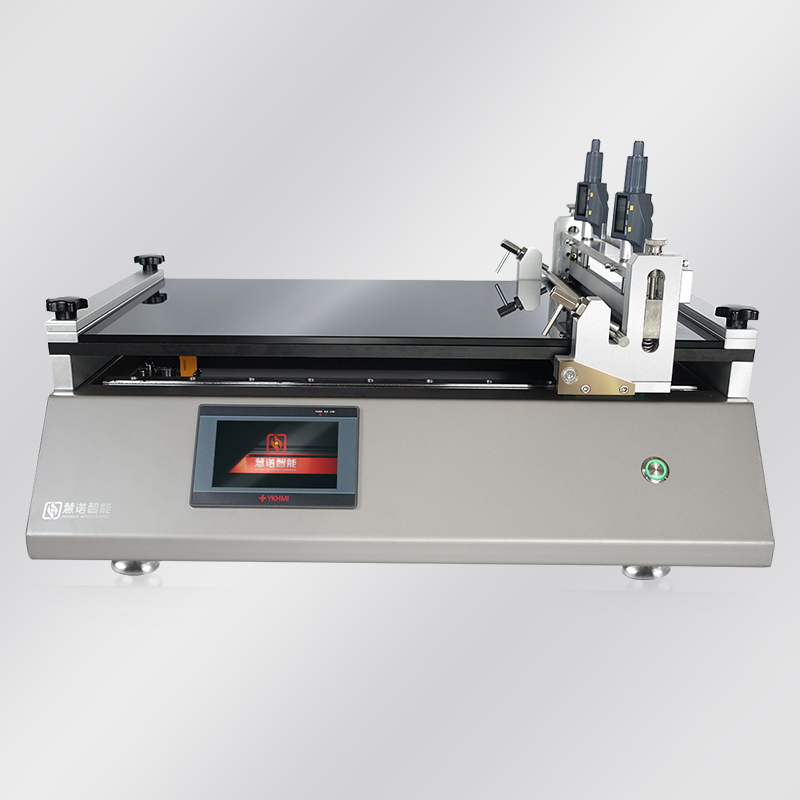
Step 1 Check the equipment
Before using the laboratory coater, check whether the various components of the equipment are in good condition, including the Spreader head, Spreader roller, drive system, electrical system, etc. Make sure that the equipment is not obviously damaged and all components are firmly connected.
2. Cleaning equipment
The coater should be thoroughly cleaned before use, especially the Spreader head and Spreader roller. Appropriate solvents can be used when cleaning to avoid the use of chemicals that are corrosive to the equipment. The cleaned equipment should be free of residues to avoid affecting the Spreader mass.
3. calibrating equipment
According to the experimental requirements, calibrate the coater as necessary, including setting parameters such as Spreader thickness, Spreader speed, and Spreader pressure. Standard samples should be used during the calibrating process and tested repeatedly to ensure that the equipment is in the best working condition.
1. Spreader material selection and preparation
1.1 Material selection
Selecting a suitable Spreader material is the key to ensure the success of the experiment. Different Spreader materials have different requirements for substrate, Spreader thickness, curing conditions, etc., so the appropriate material should be selected according to the specific experimental requirements.
1.2 Material preparation
Spreaders should be properly treated before the material, such as stirring, heating, filtrating, etc., to ensure the uniformity and applicability of the material. Care should be taken to prevent contamination and deterioration during material handling.
2. Spreader parameter settings
2.1 Spreader Thickness
Spreader thickness is set according to the experimental requirements. Spreader thickness directly affects the coating performance and experimental results, and the optimal thickness should be determined by repeated testing.
2.2 Spreader speed
Spreader speed has an important effect on the uniformity and adhesion of coatings. In general, slower Spreader speed is beneficial to obtain uniform coatings, but too slow speed may lead to discontinuous or thick coatings.
2.3 Spreader pressure
Spreader pressure should be adjusted according to the characteristics of the substrate and Spreader material. Excessive Spreader pressure may damage the substrate or Spreader head, and too small pressure may cause uneven coating.
3. Precautions during operation
3.1 Uniform Spreader
During the Spreader process, the Spreader head should be kept parallel and stable to the surface of the substrate to avoid tilting or shaking. Uniform Spreader can improve the mass of the coating and the repeatability of the experimental data.
3.2 Timely handling of abnormal situations
In the Spreader process, if abnormal conditions (such as uneven coating, abnormal noise of equipment, etc.) are found, the machine should be stopped immediately to check, find out the cause and deal with it in time to avoid affecting the experimental results.
1. coating curing and treatment
1.1 coating curing
After the Spreader is completed, the coating is cured according to the material characteristics. The curing methods include natural drying, heating drying, UV curing, etc. Pollution and damage to the coating should be avoided during the curing process.
1.2 Inspection of coatings
After coating curing, it should be checked to ensure that the uniformity, adhesion and thickness of the coating meet the experimental requirements. Physical and chemical performance tests can be carried out if necessary.
2. Equipment cleaning and maintenance
2.1 Cleaning equipment
After each use, the coater should be thoroughly cleaned, especially the Spreader head and Spreader roller. When cleaning, use an appropriate solvent and gently wipe with a soft cloth or brush to avoid scratching the surface of the equipment.
2.2 Maintenance equipment
Regularly maintain the coater, including checking the lubricating oil, fastening screws, calibrating Sensors, etc. When the equipment is found to be abrasion or faulty, it should be repaired or replaced in time to ensure the normal operation of the equipment.
1. Operator safety protection
1.1 Wear protective equipment
Operators should wear appropriate protective equipment, such as gloves, protective glasses, lab suits, etc., to avoid direct contact with Spreader materials and equipment to prevent chemical burns or mechanical injuries.
1.2 Avoid operational errors
Operators should strictly follow the operating procedures to avoid equipment damage or personal injury caused by operation errors. When adjusting or maintaining equipment, power off and ensure that the equipment is in a stop state.
2. Safety management of laboratory environment
2.1 Stay ventilated
The laboratory should be well ventilated, especially when using volatile solvents and chemicals, to prevent the accumulation of harmful gases and protect the health of operators.
2.2 Configuration of emergency equipment
The laboratory should be equipped with necessary emergency equipment, such as fire extinguisher, first aid kit, eyewash, etc., to deal with emergencies. Operators should be familiar with the use and location of emergency equipment.
1. Uneven coating
1.1 The cause of the problem
The uneven coating may be caused by the tilt of the Spreader head, the instability of the Spreader speed, and the uneven viscosity of the material.
1.2 Solution
Check and adjust the position of the Spreader head to ensure that it is parallel to the substrate surface.
Spreader speed to avoid sudden acceleration or deceleration.
Spreader material is fully stirred and filtrated to ensure its uniformity.
2. Poor coating adhesion
2.1 The cause of the problem
Poor coating adhesion may be due to incomplete cleaning of the substrate surface, improper selection of Spreader material, and inappropriate curing conditions.
2.2 Solution
The substrate is cleaned before the Spreader to remove surface dirt and grease.
Spreader material compatible with the substrate is selected and appropriate surface preparation is performed.
Set the appropriate curing conditions according to the material characteristics to ensure that the coating is fully cured.
3. coater abnormal sound or unstable operation
3.1 The cause of the problem
Coater abnormal noise or unstable operation may be due to mechanical parts abrasion, insufficient lubrication, loose transmission system and other reasons.
3.2 Solution
Regularly check and replace abrasion mechanical parts to ensure the normal operation of the equipment.
Regularly add lubricating oil to maintain the lubrication of the transmission system.
Check and tighten the various components of the transmission system to prevent loosening.
As an important experimental equipment, laboratory coater plays an important role in material research and development and testing. Correct use and maintenance of coater can not only improve experimental efficiency and data accuracy, but also prolong the service life of equipment and ensure the safety of experimental personnel. Hope that through the introduction of this article, it can help laboratory staff better grasp the Precautions for use of laboratory coaters and improve the mass and safety of experimental work.
In actual operation, laboratory personnel should flexibly adjust and optimize Spreader parameters according to specific experimental needs, and constantly summarize experience and lessons to achieve the best Spreader effect. At the same time, regular inspection and maintenance of equipment, timely solution of problems in operation, to ensure that the coater is in good condition for a long time, to provide reliable technical support for scientific research.

 简体中文
简体中文 Korean